Drone-Based Magnetic Survey
Drone-Based Magnetic Survey
Drone-Based Magnetic Surveys use UAV-mounted magnetometers to rapidly acquire high-resolution magnetic data for mineral exploration, geological mapping, and structural interpretation projects.
Compared to conventional magnetic surveys, drone magnetic surveys provide faster coverage, improved accessibility, safer operations, and high-quality geophysical data acquisition in difficult terrain areas.
Daily Coverage Capacity
Survey Coverage: 20–80 Line KM/day
Key Deliverables
• High Resolution Magnetic Anomaly Maps
• Geological & Structural Interpretation
• Processed UAV Magnetic Data
• Target Identification Maps
Accuracy & Data Quality
-
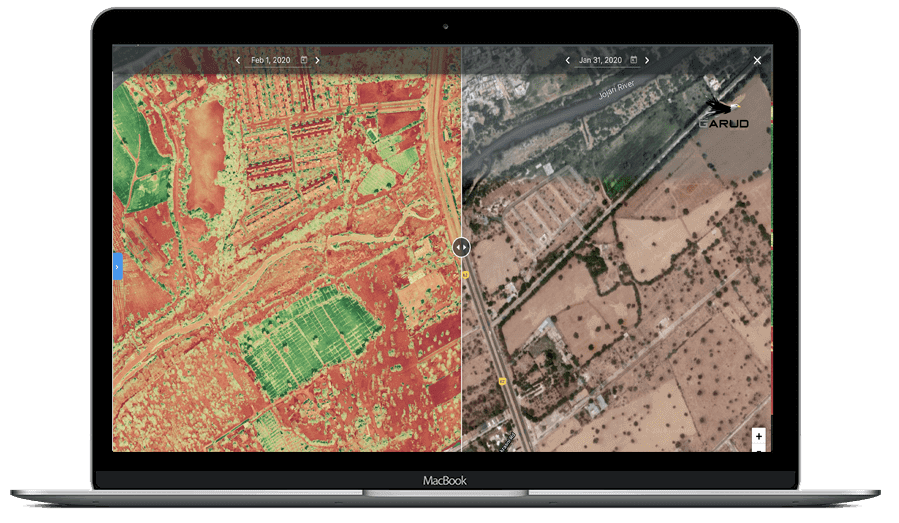
Drone-based magnetic surveys deliver high-quality, detailed magnetic data, with advantages over traditional methods.
- High-resolution anomaly detection
- Consistent flight altitude ensures uniform data quality
- Improved spatial coverage compared to ground surveys
- Data accuracy enhanced with GPS and onboard sensors
Key Applications
Drone-Based Magnetic Survey is widely used across multiple industries:
Mineral Exploration
Detect magnetic anomalies associated with ore bodies and mineralization zones.
Geological Mapping
Map subsurface rock formations, lithology, and structural trends.
Fault & Structural Identification
Identify faults, fractures, and geological boundaries.
Buried Object Detection
Locate pipelines, archaeological remains, and underground utilities.
Map large terrains quickly with high-resolution magnetic data
FAQ?
Drones provide numerous advantages in agriculture, such as increased efficiency in rop Inspection, precision spraying, and data collection for better decision-making. They help reduce operational costs and improve crop yields.
Drones equipped with cameras and sensors can capture high-resolution images of crops. This data helps farmers detect issues like pest infestations, nutrient deficiencies, or diseases, enabling timely intervention.
Agricultural drones come in various types, including multi-rotor drones for close-range inspection, fixed-wing drone agricultural survey, and hybrid drones combining features of both.
Yes, drones can precisely apply fertilizers, pesticides, and herbicides to specific areas in the field, minimizing wastage and ensuring even distribution.
Yes, using drones for agriculture is subject to regulations, which vary by country. It’s essential to be aware of and comply with local laws and obtain any necessary permits.