Aerial Thermal Inspection
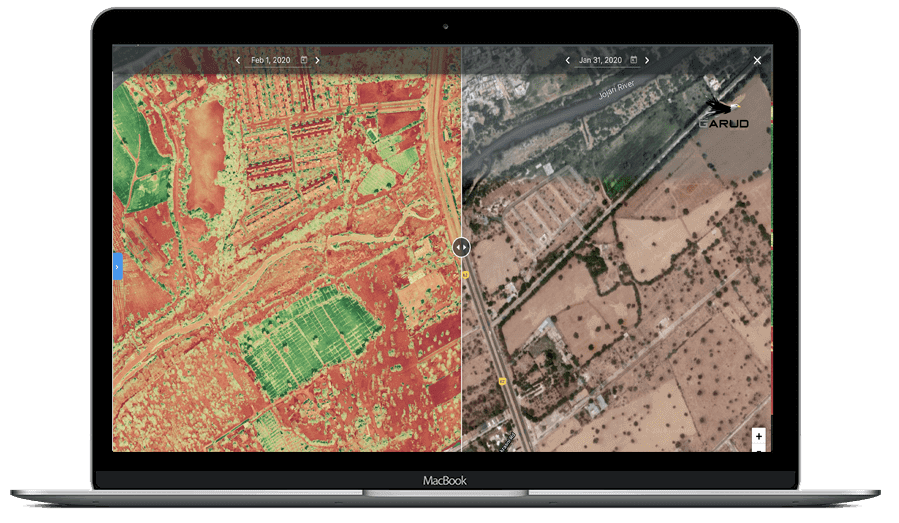
Aerial Thermal Inspection is an advanced diagnostic technique that utilizes drones equipped with high-resolution infrared (thermal) cameras to detect and analyze temperature variations across surfaces and assets. By capturing thermal radiation instead of visible light, this technology reveals heat patterns that are invisible to the naked eye, enabling early detection of potential issues.
During the inspection process, the drone is flown over or around the target structure following a planned route, capturing thermal imagery in real time. These images highlight temperature differences, which are then analyzed using specialized software to identify anomalies and areas of concern.
Aerial thermal inspections offer significant advantages over traditional inspection techniques. They allow for rapid coverage of large or hard-to-access areas such as rooftops, solar farms, transmission lines, and industrial facilities, while minimizing the need for manual intervention and ensuring operator safety.
The data collected can be processed into thermal maps and detailed reports, providing actionable insights for maintenance, repair, and preventive planning. This proactive approach helps reduce downtime, lower maintenance costs, and improve overall operational efficiency.
Key Applications
Aerial thermal inspection is widely used across multiple industries:
Solar Power Plants
Identify hotspots, defective cells, string failures, and inverter issues that reduce efficiency.
Electrical Infrastructure
Detect overheating in transmission lines, substations, transformers, and switchgear.
Industrial Equipment Monitoring
Monitor motors, pipelines, furnaces, and machinery for abnormal heat signatures.
Buildings & Real Estate
Detect insulation gaps, water leakage, HVAC inefficiencies, and structural issues.
Benefits
Early Fault Detection
Identify issues before they escalate into costly failures
Reduced Downtime
Inspect without shutting down operations
Enhanced Safety
No need for manual inspection in hazardous areas
Cost Efficiency
Prevent expensive repairs and energy losses

Accuracy & Technology
-
Modern thermal drones use high-resolution infrared sensors capable of detecting temperature differences with sensitivity up to ±2°C or better.
- Radiometric thermal imaging for precise data capture
- High-resolution RGB + IR dual sensors
- AI-assisted anomaly detection (optional)
- GPS-tagged data for mapping and reporting
Why Choose Us
Certified drone pilots & trained thermography experts
Industry-grade equipment
Fast turnaround time
Custom reports for decision-making
Get a detailed thermal inspection for your assets
FAQ?
Drones provide numerous advantages in agriculture, such as increased efficiency in rop Inspection, precision spraying, and data collection for better decision-making. They help reduce operational costs and improve crop yields.
Drones equipped with cameras and sensors can capture high-resolution images of crops. This data helps farmers detect issues like pest infestations, nutrient deficiencies, or diseases, enabling timely intervention.
Agricultural drones come in various types, including multi-rotor drones for close-range inspection, fixed-wing drone agricultural survey, and hybrid drones combining features of both.
Yes, drones can precisely apply fertilizers, pesticides, and herbicides to specific areas in the field, minimizing wastage and ensuring even distribution.
Yes, using drones for agriculture is subject to regulations, which vary by country. It’s essential to be aware of and comply with local laws and obtain any necessary permits.