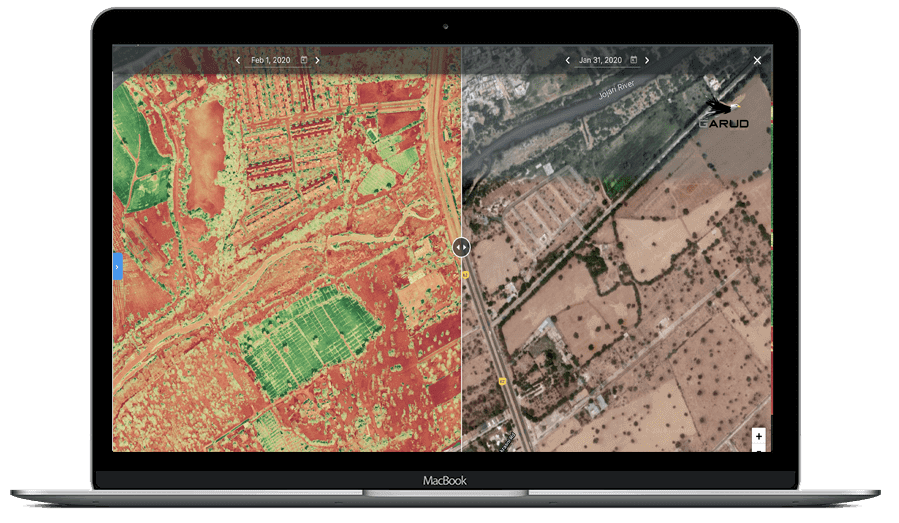
Surface Hydrology Analysis
Surface Hydrology Analysis is a geospatial and environmental assessment technique used to study the movement, distribution, and behavior of surface water. It evaluates water flow patterns, drainage networks, and flood susceptibility by integrating terrain models, rainfall data, and watershed characteristics. This analysis plays a crucial role in understanding how water interacts with the landscape.
In this process, high-resolution elevation data such as Digital Elevation Models (DEMs) is used to derive slope, flow direction, flow accumulation, and catchment boundaries. Rainfall and hydrological data are then incorporated to simulate runoff behavior and identify natural drainage paths. The results are processed using GIS-based tools to generate drainage maps, watershed models, and flood risk zones.
Surface Hydrology Analysis is widely used in urban planning, flood risk management, agriculture, and infrastructure development. It helps in designing efficient drainage systems, identifying flood-prone areas, and supporting sustainable land-use planning. By providing accurate insights into surface water dynamics, this analysis enables better environmental management and disaster mitigation strategies.
Key Applications
Surface Hydrology Analysis is widely used across multiple industries:
Drainage System Design
Plan efficient stormwater and urban drainage networks.
Flood Risk Assessment
Identify flood-prone zones and predict water accumulation patterns.
Watershed Management
Analyze catchment behavior and water distribution systems.
Urban & Infrastructure Planning
Support safe development in water-sensitive areas.

Accuracy & Data Quality
-
Surface Hydrology Analysis delivers highly reliable predictive results, depending on input data quality and resolution.
- Accuracy depends on DEM resolution and rainfall data quality
- High-resolution terrain models improve flow prediction accuracy
- Reliable identification of drainage paths and accumulation zones
-
Best results achieved when integrated with LiDAR and rainfall datasets
Why Choose Us
Advanced GIS and hydrological modeling expertise
Integration with LiDAR and drone-based terrain data
Accurate flood and drainage simulations
Experience across urban and environmental projects
Understand how water moves across your site
FAQ?
Drones provide numerous advantages in agriculture, such as increased efficiency in rop Inspection, precision spraying, and data collection for better decision-making. They help reduce operational costs and improve crop yields.
Drones equipped with cameras and sensors can capture high-resolution images of crops. This data helps farmers detect issues like pest infestations, nutrient deficiencies, or diseases, enabling timely intervention.
Agricultural drones come in various types, including multi-rotor drones for close-range inspection, fixed-wing drone agricultural survey, and hybrid drones combining features of both.
Yes, drones can precisely apply fertilizers, pesticides, and herbicides to specific areas in the field, minimizing wastage and ensuring even distribution.
Yes, using drones for agriculture is subject to regulations, which vary by country. It’s essential to be aware of and comply with local laws and obtain any necessary permits.